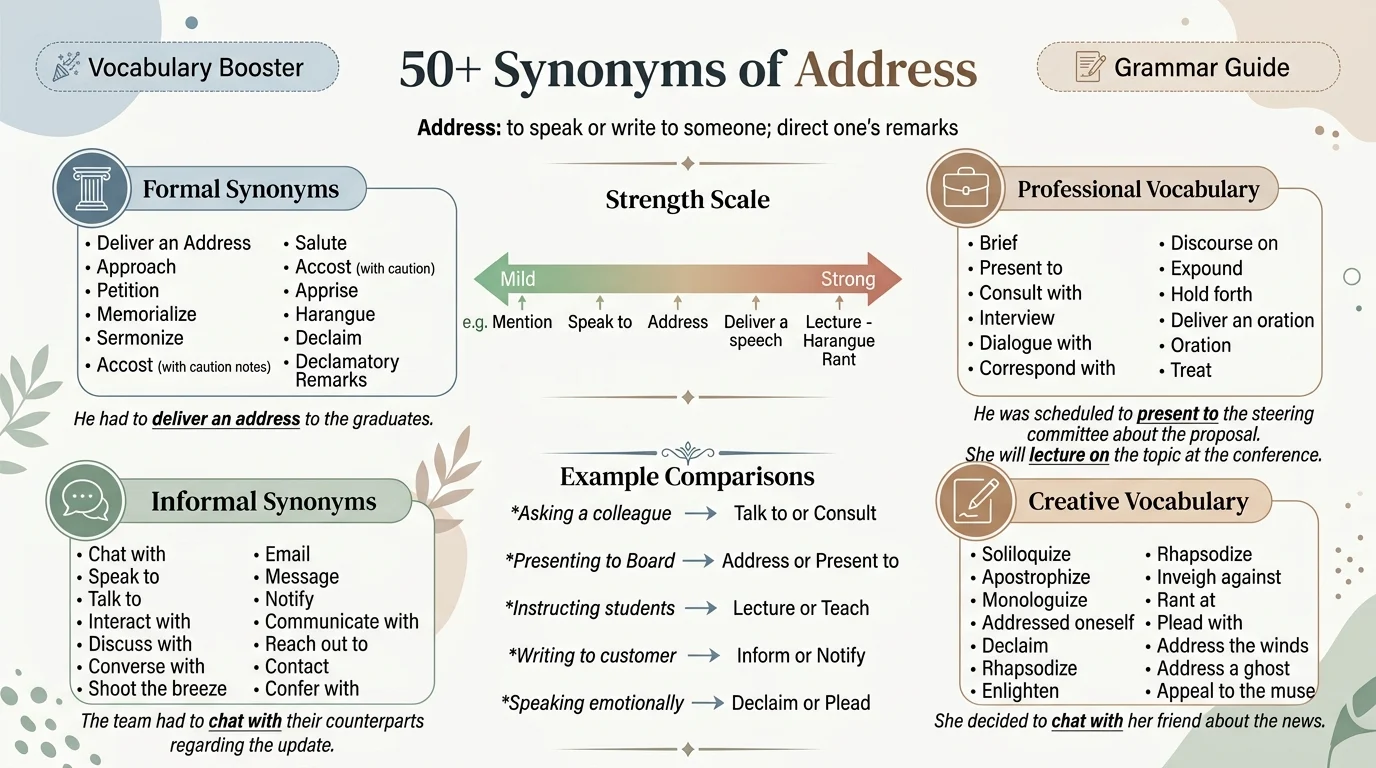
Have you ever found yourself writing an email, a report, or a social media caption and realized you have used the word “collaborate” three times in two paragraphs? It happens to everyone. You know what you want to say, but repeating the same word makes your writing feel flat and uninspired.
Finding the right synonym for “collaborate” can transform a dull sentence into something clear and compelling. The exact synonyms of collaborate you choose affect how your message lands with readers, whether you are writing a resume, a business proposal, or a simple team update. This guide will help you understand the word, choose the best alternatives for any situation, and avoid common mistakes that weaken your communication.
What Are the Best Synonyms of “Collaborate”?
To collaborate means to work jointly with others on an intellectual, creative, or business project to produce or achieve something specific. The best synonyms depend on context. Professional writing, use “partner” or “join forces.” For academic work, choose “cooperate” or “work jointly.” Casual conversation, “team up” or “get together” sound natural. For creative projects, “co-create” and “pool resources” work well.
Meaning, Tone, and Context
Simple Definition
Collaborate is a verb that means to work together with one or more people on a shared project, especially in intellectual, artistic, or business endeavors. It goes beyond simply dividing tasks. When you collaborate, you actively brainstorm, create, and share ideas to produce a unified outcome.
Part of Speech
Verb (collaborate, collaborates, collaborating, collaborated)
Overall Tone
Positive and constructive. The word carries an optimistic, forward-looking tone that suggests teamwork, creativity, and shared purpose.
Formality Level
Neutral to semi-formal. “Collaborate” works well in professional, academic, and business settings. It is also appropriate in everyday conversation, though it may sound slightly formal in casual contexts.
Common Uses
Native English speakers use “collaborate” most often in:
- Workplace and business communication
- Academic research and writing
- Creative fields like music, film, and writing
- Project management and team settings
- International or cross-functional partnerships
Word Forms
- Noun: collaboration
- Verb: collaborate
- Adjective: collaborative
- Adverb: collaboratively
- Related forms: collaborator (one who collaborates), collaborationist (negative connotation referring to working with an enemy)
- Opposite form: to work alone, to operate independently
When and How to Use “Collaborate”
Choose “collaborate” when you want to emphasize joint effort toward a shared goal, especially when the work involves creativity, intellectual input, or complex problem-solving. Use it when you mean more than just helping out. Collaboration implies active participation and shared ownership of the final result.
Here are seven realistic examples showing “collaborate” in different contexts.
Professional
The marketing and product teams will collaborate on the new campaign launch.
Academic
Two professors from different departments collaborated on the longitudinal study.
Workplace
We need to collaborate more effectively across time zones to meet the deadline.
Personal
My sister and I collaborated on a family cookbook for our mother’s birthday.
Email
I would like to collaborate with your team on the upcoming proposal.
Resume
Collaborated with cross-functional teams to deliver a 15% increase in quarterly revenue.
Social Media
So excited to collaborate with this incredible group of artists on the new mural project.
Best Synonyms of “Collaborate”
No synonym is identical in every situation. The best choice depends on your audience, purpose, and tone. Here are the top recommendations for specific contexts.
Professional writing: Partner. This synonym suggests an equal, trusted relationship and works well in business contexts. It implies shared responsibility and mutual benefit.
Academic writing: Cooperate. In research and scholarly work, “cooperate” conveys working together systematically toward a common goal.
Business communication: Join forces. This phrase adds energy and suggests combining strengths for a specific purpose.
Casual conversation: Team up. This is natural and friendly, perfect for everyday talk about working together.
Emotional writing: Unite. This word adds warmth and shared purpose, ideal for speeches or motivational content.
Creative writing: Co-create. This emphasizes the joint production of something new and original.
Resume writing: Partnered or collaborated. Both signal teamwork and initiative. “Partnered” often sounds more active and results-oriented.
Workplace communication: Work together. This is clear, direct, and universally understood.
Stronger meaning: Concert. This formal word suggests coordinated, purposeful joint action.
Softer meaning: Get together. This is informal and gentle, suitable for suggesting collaboration without pressure.
When Not to Use “Collaborate”
Using “collaborate” is not always the best choice. Here are situations where you should consider alternatives.
The word sounds too general. If you simply mean helping someone with a task, “collaborate” may sound overly formal or grand. Better: “assist” or “help.” Instead of: “I will collaborate with you on the filing.” Write: “I will help you with the filing.”
The word sounds too vague. If you need to specify exactly how you will work together, “collaborate” does not provide enough detail. Better: “co-write,” “co-produce,” or “jointly develop.” Instead of: “We will collaborate on the report.” Write: “We will co-write the report.”
When the word sounds too formal. In casual conversation or text messages, “collaborate” can feel stiff and unnatural. Better: “team up” or “work together.” Instead of: “Let’s collaborate on the party planning.” Write: “Let’s team up on the party planning.”
When the word sounds too weak. If you want to emphasize intense, coordinated effort, “collaborate” may not carry enough weight. Better: “join forces” or “pool resources.” Instead of: “We collaborated to finish the project.” Write: “We joined forces to finish the project.”
The word sounds outdated. In very casual modern contexts, “collaborate” can feel like business jargon. Better: “collab” (informal slang) or “work together.” Use with caution and only in appropriate settings.
Words Commonly Confused With “Collaborate”
Collaborate vs. Cooperate
Difference: “Collaborate” means working together to produce something specific. “Cooperate” means helping or complying, often without joint creation.
When to use each: Use “collaborate” for creative or intellectual projects where you produce something new. Use “cooperate” when people simply help each other or follow rules.
Example of collaborate: The two songwriters collaborated on the album’s title track.
Example of cooperate: The suspects cooperated with the investigation.
Collaborate vs. Team Up
Difference: “Team up” is informal and suggests a temporary partnership. “Collaborate” is more formal and can refer to long-term or ongoing work.
When to use each: Use “team up” in casual conversation, sports, or informal projects. Use “collaborate” in professional, academic, or formal writing.
Example of team up: We decided to team up for the charity run.
Example of collaborate: The universities will collaborate on the five-year research initiative.
Collaborate vs. Join Forces
Difference: “Join forces” emphasizes combining strengths and resources for a specific goal. It sounds more energetic and purposeful than “collaborate”.
When to use each: Use “join forces” when you want to highlight the power of combined effort. Use “collaborate” for a more neutral description of working together.
Example of join forces: The two companies joined forces to dominate the market.
Example of collaborate: The designers collaborated on the new collection.
Collaborate vs. Partner
Difference: “Partner” suggests an equal, formal, or ongoing relationship. “Collaborate” can be more temporary or project-based.
When to use each: Use “partner” in business, legal, or long-term relationship contexts. Use “collaborate” for project-specific work.
Example of partner: Our firm partners with local nonprofits on community initiatives.
Example of collaborate: We collaborated on the presentation for the client meeting.
Collaborate vs. Concur
Difference: “Concur” means to agree with someone, not to work together. “Collaborate” involves joint action, not just agreement.
When to use each: Use “concur” when you share an opinion. Use “collaborate” when you take joint action.
Example of concur: I concur with your assessment of the situation.
Example of collaborate: We will collaborate to implement the new strategy.
Collaborate vs. Conspire
Difference: “Conspire” means to plan secretly, often for an illegal or harmful purpose. “Collaborate” is generally positive and open.
When to use each: Avoid “conspire” unless you mean secret or negative collaboration. Use “collaborate” for legitimate joint work.
Example of conspire: The executives conspired to fix prices.
Example of collaborate: The executives collaborated on the annual report.
Best Synonyms of “Collaborate” by Context
| Context | Best Synonym | Why It Works | Example |
|---|---|---|---|
| Formal writing | Cooperate | Sounds scholarly and precise | The researchers cooperated on the multi-year study. |
| Academic writing | Work jointly | Clear and professional | The professors worked jointly on the curriculum redesign. |
| Professional communication | Partner | Suggests equality and trust | We partner with leading organizations to deliver results. |
| Business emails | Join forces | Adds energy and purpose | Let’s join forces on the Q4 initiative. |
| Resume writing | Partnered | Sounds active and results-oriented | Partnered with sales to increase revenue by 20%. |
| Workplace communication | Work together | Direct and universally understood | We need to work together to meet the deadline. |
| Casual conversation | Team up | Friendly and natural | Want to team up for the presentation? |
| Everyday speaking | Get together | Informal and approachable | Let’s get together and plan the event. |
| Creative writing | Co-create | Emphasizes joint creation | The artists co-created an immersive installation. |
| Storytelling | Unite | Adds emotional weight | The community united to build the playground. |
| Emotional writing | Band together | Suggests solidarity and shared purpose | We banded together to support our colleagues. |
| Strong emphasis | Pool resources | Highlights combined assets | We pooled resources to launch the product faster. |
| Mild tone | Work side by side | Gentle and descriptive | We worked side by side on the project. |
| Social media captions | Collab | Modern and casual (informal) | Excited for this new collab with my favorite brand. |
| American English | Collaborate | Standard and widely accepted | The teams collaborate on a weekly basis. |
| British English | Co-operate | Common UK spelling variant | The departments co-operate on joint initiatives. |
How to Choose the Best Synonym of “Collaborate”
Choosing the right synonym is about matching your word to your message. Follow this practical decision guide.
Consider your meaning. Are you describing joint creation, simple help, or strategic partnership? If you are creating something new, choose “co-create” or “collaborate.” If you are simply helping, choose “assist” or “cooperate.”
Consider your tone. Are you writing a formal report or a text message? Formal contexts call for “cooperate” or “partner.” Casual contexts work better with “team up” or “get together.”
Consider your audience. Who will read your words? Business professionals respond well to “partner” and “join forces.” Friends and family connect with “team up” and “work together.”
Consider emotional strength. Do you want to sound neutral, enthusiastic, or passionate? Neutral choices include “cooperate” and “work together.” Enthusiastic choices include “join forces” and “unite.” Passionate choices include “band together” and “pool resources.”
Consider your writing purpose. Are you persuading, informing, or storytelling? Persuasive writing benefits from energetic synonyms like “join forces.” Informative writing works well with clear synonyms like “work together.” Storytelling benefits from emotional synonyms like “unite.”
Consider natural sound. Read your sentence aloud. Does the synonym feel comfortable and natural? If it sounds forced or overly formal, choose a simpler alternative.
Real Life Examples of “Collaborate”
School
The students collaborated on the science fair project, each contributing research and ideas.
College
We collaborated with the engineering department to design the prototype.
Workplace
Our team collaborates with the design team to ensure every product meets user needs.
Business
The two startups collaborated to develop an innovative payment solution.
Email
I would appreciate the opportunity to collaborate with your team on the upcoming initiative.
Resume
Collaborated with stakeholders across three departments to streamline operations.
Conversation
“Do you want to collaborate on the presentation, or should we each do our own part?”
Storytelling
The musicians collaborated for months, blending their distinct styles into something entirely new.
Blogging
In this post, I collaborate with a guest expert to share insights on sustainable living.
Social Media
Thrilled to collaborate with @brandname on this exciting project. Stay tuned!
18 Best Synonyms of “Collaborate”
| Synonym | Simple Meaning | Best Used For | Example Sentence |
|---|---|---|---|
| Cooperate | Work together toward a common goal | Academic and formal writing | The departments cooperated to complete the audit. |
| Team up | Join as a team for a specific purpose | Casual conversation and sports | Let’s team up for the trivia night. |
| Join forces | Combine strengths and resources | Business and strategic contexts | The two companies joined forces to enter new markets. |
| Partner | Work as equals in a formal relationship | Professional and business writing | We partner with local schools to provide tutoring. |
| Work together | Combine efforts on a shared task | General use, all contexts | We need to work together to solve this problem. |
| Co-create | Create something jointly | Creative and artistic projects | The designers co-created the new logo. |
| Unite | Come together for a common purpose | Emotional and motivational writing | The community united to support the cause. |
| Pool resources | Combine assets or efforts for efficiency | Business and project management | We pooled resources to reduce costs. |
| Band together | Join as a group for mutual support | Emotional and solidarity contexts | The neighbors banded together to clean the park. |
| Get together | Meet and work informally | Casual and social contexts | Let’s get together and brainstorm ideas. |
| Work side by side | Work closely and collaboratively | Descriptive and narrative writing | We worked side by side on the project for months. |
| Concert | Arrange or coordinate jointly | Formal and literary contexts | The nations concerted their efforts to address the crisis. |
| Collude | Cooperate secretly (often negative) | Legal or negative contexts (use with caution) | The officials colluded to hide the evidence. |
| Fraternize | Associate socially or professionally | Military or formal contexts | The staff fraternized with the visiting delegates. |
| Combine efforts | Merge individual contributions | Strategic and planning contexts | We combined efforts to achieve the target. |
| Make common cause | Join together for a shared purpose | Formal and persuasive writing | The organizations made common cause to reform policy. |
| Pull together | Work as a team under pressure | Inspirational and teamwork contexts | The team pulled together to meet the tight deadline. |
| Co-produce | Produce something jointly | Media, entertainment, and creative fields | The studios co-produced the award-winning film. |
Synonyms of “Collaborate” by Usage
Professional vs Personal Synonyms
In professional settings, choose words that sound competent and trustworthy: “partner,” “join forces,” “cooperate,” and “work together.” These words signal reliability and shared purpose.
In personal contexts, choose words that sound warm and approachable: “team up,” “get together,” and “band together.” These words feel friendly and less formal.
Formal vs Conversational Synonyms
Formal (reports, essays, business writing, presentations, emails):
- Cooperate
- Partner
- Concert
- Make common cause
- Work jointly
Conversational (casual conversations, texting):
- Team up
- Get together
- Work together
- Collab (informal slang)
Academic Synonyms
For research, essays, reports, and academic discussions, these synonyms sound more authoritative:
- Cooperate – Standard academic choice for joint research.
- Work jointly – Clear and professional.
- Concert – Formal and precise.
- Collaborate – The word itself is widely accepted in academic writing.
- Pool resources – Useful when discussing shared funding or assets.
Professional and Business Synonyms
For resumes, interviews, meetings, presentations, performance reviews, client communication, and business emails:
- Partner – Suggests equal, trusted relationships.
- Join forces – Highlights strategic combination.
- Cooperate – Signals willingness to work with others.
- Work together – Direct and universally understood.
- Pool resources – Emphasizes efficiency and shared investment.
Creative and Literary Synonyms
For storytelling, fiction, poetry, descriptive writing, and speeches:
- Co-create – Emphasizes joint artistic production.
- Unite – Adds emotional weight.
- Band together – Suggests solidarity.
- Work side by side – Creates vivid imagery.
- Concert – Adds a poetic, formal quality.
Slang or Modern Synonyms
Collab (informal) – Short for collaboration. Common in social media, music, and creative industries. Acceptable in casual online content, social media captions, and informal conversations. Avoid in professional reports, academic writing, and formal business communication.
Strongest to Mildest Synonyms
Mild → Moderate → Strong → Very Strong
| Intensity | Synonyms |
|---|---|
| Mild | Get together, work side by side |
| Moderate | Work together, cooperate, team up |
| Strong | Partner, join forces, pool resources |
| Very Strong | Unite, band together, concert |
Emotional intensity increases as you move down the scale. Mild synonyms feel neutral and descriptive. Strong synonyms add energy and purpose. Very strong synonyms carry emotional weight and urgency.
Emotional vs Neutral Synonyms
Emotional Synonyms (express stronger feelings):
- Unite
- Band together
- Pull together
- Make common cause
Use these when you want to inspire, motivate, or create a sense of shared purpose.
Neutral Synonyms (simply communicate information):
- Cooperate
- Work together
- Partner
- Team up
Use these when you want to describe joint work without adding emotional tone.
Antonyms of “Collaborate”
Comparison: “Collaborate” vs Similar Words
Collaborate vs Cooperate
Main Difference: “Collaborate” means working together to produce something specific. “Cooperate” means helping or complying, often without joint creation.
Which Is Stronger?: “Collaborate” is stronger because it implies active, creative participation.
Which Is More Formal?: Both are formal, but “cooperate” is slightly more formal in academic contexts.
When to Use Each: Use “collaborate” for creative or intellectual projects. Use “cooperate” for general help or compliance.
Examples:
- Collaborate: The authors collaborated on the novel.
- Cooperate: The witness cooperated with the police.
Collaborate vs Team Up
Main Difference: “Team up” is informal and suggests a temporary partnership. “Collaborate” is more formal and can refer to long-term work.
Which Is Stronger?: “Collaborate” is stronger in formal contexts. “Team up” is stronger in casual contexts.
Which Is More Formal?: “Collaborate” is more formal.
When to Use Each: Use “team up” in casual conversation. Use “collaborate” in professional writing.
Examples:
- Collaborate: The universities collaborate on research.
- Team up: Let’s team up for the game.
Collaborate vs Join Forces
Main Difference: “Join forces” emphasizes combining strengths and resources. “Collaborate” is a broader, more neutral term.
Which Is Stronger?: “Join forces” is stronger and more energetic.
Which Is More Formal?: Both are professional, but “join forces” is slightly more informal.
When to Use Each: Use “join forces” to highlight combined power. Use “collaborate” for neutral description.
Examples:
- Collaborate: We collaborate on monthly reports.
- Join forces: We joined forces to win the contract.
Collaborate vs Partner
Main Difference: “Partner” suggests an equal, formal, or ongoing relationship. “Collaborate” can be temporary or project-based.
Which Is Stronger?: “Partner” implies a deeper, more committed relationship.
Which Is More Formal?: “Partner” is more formal in business contexts.
When to Use Each: Use “partner” for long-term business relationships. Use “collaborate” for project-specific work.
Examples:
- Collaborate: We collaborated on the presentation.
- Partner: We partner with local businesses.
Collaborate vs Conspire
Main Difference: “Conspire” means to plan secretly, often for illegal purposes. “Collaborate” is generally positive and open.
Which Is Stronger?: “Conspire” carries a much stronger, negative emotional charge.
Which Is More Formal?: Both are formal, but “conspire” is used in legal contexts.
When to Use Each: Use “collaborate” for legitimate joint work. Use “conspire” only for secret or negative collaboration.
Examples:
- Collaborate: The teams collaborated on the product launch.
- Conspire: The executives conspired to defraud investors.
Collaborate vs Concur
Main Difference: “Concur” means to agree. “Collaborate” means to work together.
Which Is Stronger?: “Collaborate” implies action. “Concur” implies passive agreement.
Which Is More Formal?: “Concur” is more formal and often used in legal or academic contexts.
When to Use Each: Use “concur” when you share an opinion. Use “collaborate” when you take joint action.
Examples:
- Collaborate: We will collaborate to implement the changes.
- Concur: I concur with your analysis.
Common Phrases and Expressions with “Collaborate”
Collaborate on
Meaning: To work together on a specific project or task.
Example: The two designers collaborated on the new branding campaign.
Collaborate with
Meaning: To work jointly with a specific person or group.
Example: We collaborate with international partners on research initiatives.
Close collaboration
Meaning: Working together very closely and frequently.
Example: The close collaboration between departments improved efficiency.
Collaborative effort
Meaning: A project or task completed through joint work.
Example: The report was a collaborative effort involving multiple teams.
Collaborative spirit
Meaning: A positive attitude toward working together.
Example: The team’s collaborative spirit made the project enjoyable.
Collaborative environment
Meaning: A workplace or setting that encourages teamwork.
Example: We strive to maintain a collaborative environment for all employees.
Fruitful collaboration
Meaning: A partnership that produces valuable results.
Example: The fruitful collaboration led to several award-winning products.
Common Mistakes to Avoid
1: Choosing a vague synonym instead of a precise one.
Incorrect: We will work together on the proposal. (Too vague if you need to specify roles.)
Better: We will co-write the proposal.
Why: “Co-write” specifies exactly what type of collaboration you mean.
2: Confusing “collaborate” with “cooperate.”
Incorrect: The artists cooperated on the mural. (Implies they simply helped each other.)
Better: The artists collaborated on the mural.
Why: “Collaborate” better captures the creative, joint production of art.
3: Using an informal synonym in formal writing.
Incorrect: The researchers teamed up on the study. (Too casual for academic work.)
Better: The researchers collaborated on the study.
Why: “Collaborate” is the standard, professional choice in academic contexts.
4: Selecting an overly dramatic synonym.
Incorrect: We united to complete the weekly report. (Too dramatic for routine work.)
Better: We worked together to complete the weekly report.
Why: “Worked together” matches the ordinary nature of the task.
5: Repeating the same word too often.
Incorrect: We collaborate on marketing. We also collaborate on sales. Our teams collaborate weekly.
Better: We collaborate on marketing. We also partner on sales initiatives. Our teams work together weekly.
Why: Varying your word choice keeps writing fresh and engaging.
6: Choosing a synonym with the wrong emotional tone.
Incorrect: We banded together to update the spreadsheet. (Too emotional for a simple task.)
Better: We worked together to update the spreadsheet.
Why: “Banded together” implies solidarity and shared struggle, which is too strong for routine work.
7: Using slang in academic or professional writing.
Incorrect: Our teams will collab on the project. (Too informal for a business report.)
Better: Our teams will collaborate on the project.
Why: “Collab” is acceptable only in very casual contexts like social media.
Frequently Asked Questions
1. What are the best synonyms of “collaborate”?
The best synonyms depend on context. Professional writing, use “partner” or “join forces.” For academic work, choose “cooperate.” For casual conversation, “team up” works well. Creative projects, try “co-create”.
2. What are the best formal synonyms of “collaborate”?
Formal synonyms include “cooperate,” “work jointly,” “concert,” and “make common cause.” These words are suitable for academic papers, business reports, and professional correspondence.
3. What are common informal synonyms of “collaborate”?
Common informal synonyms include “team up,” “get together,” “work together,” and “collab” (slang). Use these in casual conversation, text messages, and social media posts.
4. What is another word for “collaborate” in professional writing?
In professional writing, “partner,” “join forces,” and “cooperate” are excellent alternatives. These words convey teamwork, shared purpose, and professional competence.
5. What is the difference between “collaborate” and “cooperate”?
“Collaborate” means working together to produce something specific, like a book or research project. “Cooperate” means helping or complying, often without joint creation. Collaboration is more active and creative.
6. What is the opposite of “collaborate”?
The opposite of “collaborate” includes “compete,” “oppose,” “resist,” “work alone,” and “separate.” These words describe acting independently or against others rather than working together.
Conclusion
“Collaborate” is a powerful verb that describes working together to create, produce, or achieve something meaningful. It carries a positive, constructive tone and works well in professional, academic, and creative contexts. The best synonyms of collaborate depend entirely on your situation. Formal writing, choose “cooperate” or “partner.” For casual conversation, “team up” feels natural. For creative work, “co-create” captures the joint production beautifully. No single synonym works perfectly in every situation. The key is to match your word choice to your audience, tone, and purpose. Read your sentences aloud. If a synonym feels forced or unnatural, try a different one. The goal is clear, confident communication that connects with your readers.
Here is one practical tip: Before you write, ask yourself what kind of joint effort you are describing. Are you creating something new, simply helping, or forming a strategic partnership? Your answer will guide you to the right synonym.
Definitions, meanings, and usage recommendations should be verified with trusted language references before publication. Recommended sources include Cambridge Dictionary, Oxford English Dictionary, Merriam Webster, Collins Dictionary, and Britannica.